The guide / Essay
A room that asks people to slow down
Why a quiet setting can give a fictional encounter tension, with examples from our original stories and clear boundaries.
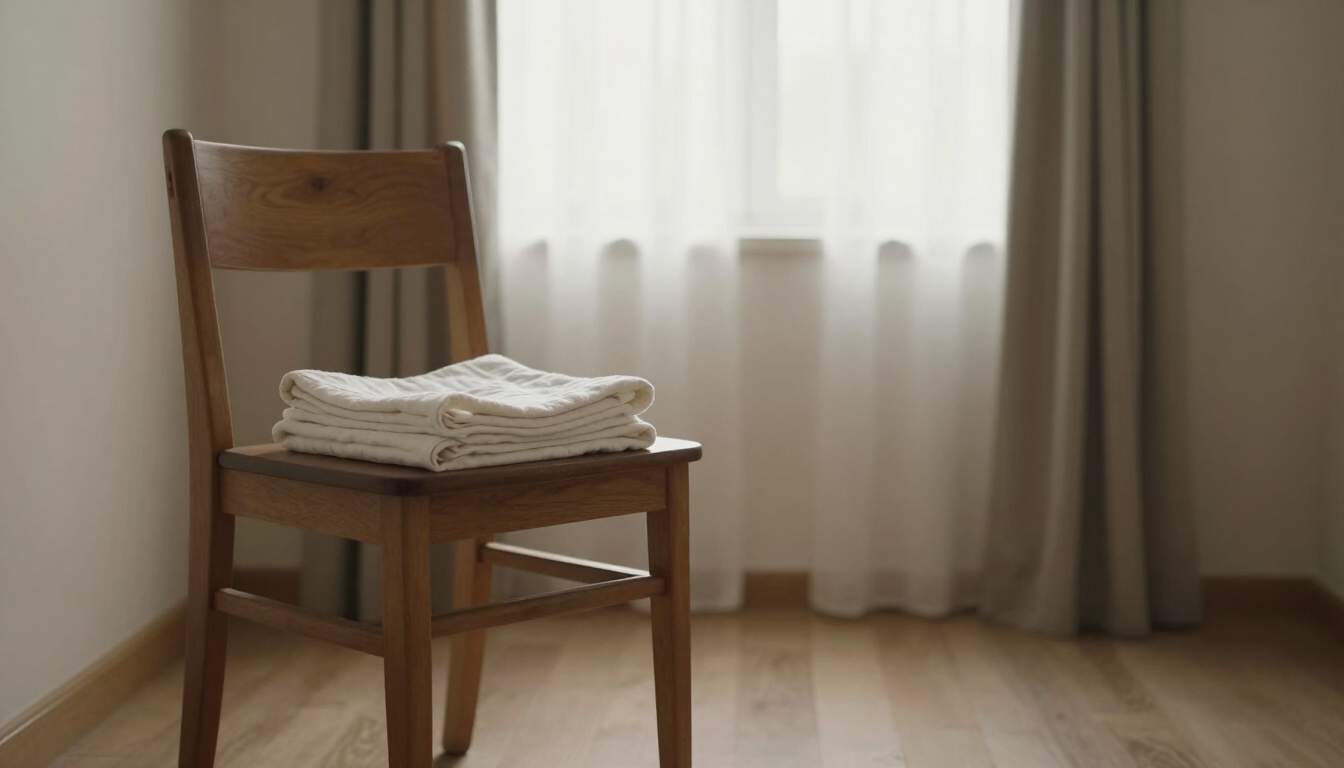
The setting does some of the work
A waiting room has a clock. A treatment room has a door. A client has chosen to trust another person with a small part of their day. Those ordinary facts provide a writer with pressure before anyone says a word. The best scene does not need to borrow the language of an advertisement. It needs a reason for two people to pay attention.
Silence leaves space for character
A long pause can be awkward, restful or deliberate. In The late appointment, a scheduling mistake gives Daniel and Adrian a chance to talk without rushing back into their routines. In The blue towel, a practical problem changes the rhythm of a familiar visit. Neither scene depends on a surprising service. The tension grows from what the characters decide to reveal.
Boundaries create better scenes
A professional setting has rules. Fiction gets more credible when a character remembers them. A good writer can keep the roles clear, move the important conversation outside the appointment, or let an attraction remain unacted upon. Consent is not a line that gets added at the end. It shapes the pace and the possible choices in every scene.
What to read next
Try the Massage shelf if you like contained scenes and quiet turns. Move to After Hours for chance meetings in public places, or Slow Burn when you want two people to take several evenings to understand one another. These are invented characters and situations, not accounts of real businesses or real practitioners.
A scene needs another reason to exist
A setting alone is never a plot. A clock, a booking mistake or an unfamiliar object can start a conversation, but the scene becomes a story when someone risks a little honesty. Ask what the characters wanted before entering the room. Ask what they can choose after leaving it. The answers create movement even when the action is quiet. The setting should reveal character instead of carrying every expectation by itself.
Reading the shelves
Our Massage stories stay close to small, contained moments. After Hours opens the space around the characters and lets public places supply chance interruptions. Slow Burn gives them time to return to an unfinished question. A reader who prefers a decisive encounter can start with The late appointment. Someone who enjoys the long hesitation may find The rain check more satisfying. These routes are editorial descriptions, not labels for real services.
Related reading